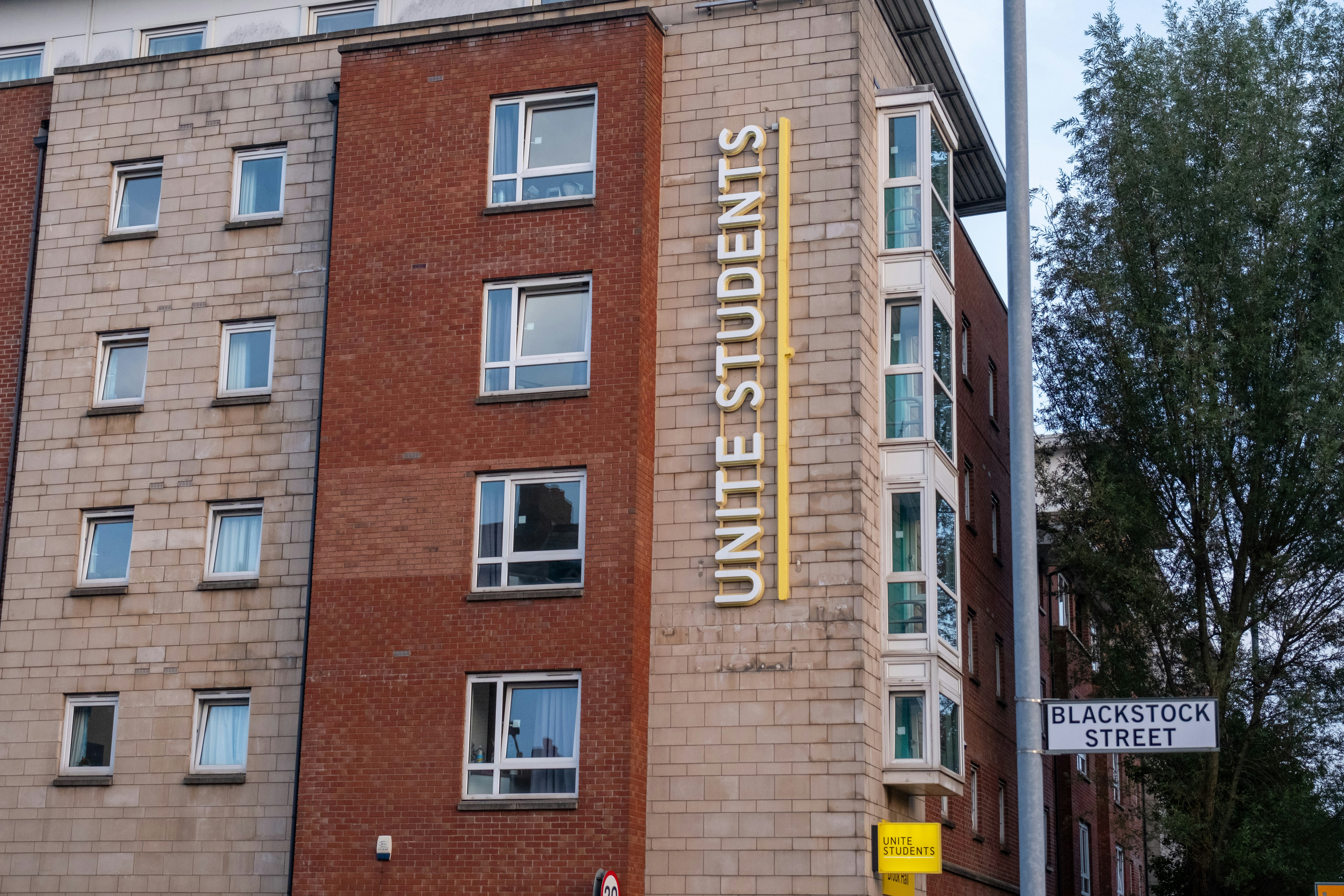
Understanding the Need for Verified Housing
Finding suitable housing abroad can be a daunting task, especially for international students who are navigating unfamiliar territories. The challenges associated with the search for housing often include issues such as scams, misrepresentation of properties, and a general lack of support during the process. When students arrive in a new country, they frequently encounter platforms that may not validate their listings, making it difficult to identify a trustworthy housing option.
One of the most pressing concerns for students is the prevalence of scams. There are numerous reports of individuals or entities advertising properties that either do not exist or are misrepresented. Students, eager to secure a place to live, may fall victim to these deceptive practices, leading to financial loss and significant stress. This is where a verified housing platform becomes essential. By ensuring that all listings are legitimate and that landlords are vetted, these platforms offer a layer of protection against potential fraud.
Additionally, the misrepresentation of properties can lead to unpleasant surprises upon arrival. Students may find that the conditions of the housing do not match what was advertised, which can impact their overall experience in a new city. Therefore, utilizing a verified housing platform allows students to have a clearer and more accurate understanding of what to expect. It alleviates fears related to property condition, availability, and authenticity.
Furthermore, reliable housing options provide peace of mind in an often overwhelming transition period. With rigorous checks and customer support, verified platforms not only enhance the likelihood of a successful rental experience but also cultivate a supportive environment for students. Such platforms are instrumental in facilitating a smoother adjustment to life overseas, ensuring that students can focus on their academic pursuits without the constant worry of housing instability.
Safety Assurance with Verified Platforms
When it comes to renting housing, particularly for students, safety is of paramount importance. Verified housing platforms have taken significant strides in implementing rigorous safety measures to protect their users. One of the standout features of these platforms is the comprehensive background checks that property managers must undergo before their listings can be published. This process helps ensure that landlords are reputable and trustworthy, minimizing the risk associated with renting from unknown parties. By vetting property managers, these platforms create a layer of security that fosters confidence among prospective tenants.
A further safety measure is the integration of secure payment methods. Verified platforms typically offer payment systems that protect both renters and landlords from fraud. With secure transactions, students can rest assured that their financial information is safeguarded, which is particularly crucial for those who may be renting a property for the first time. This level of financial security not only protects funds but also helps build a trustworthy relationship between tenants and landlords.
Moreover, verified housing platforms often feature tenant reviews and ratings. This invaluable feedback mechanism allows potential renters to access firsthand accounts of the rental experience from previous tenants. By reviewing ratings and comments, students can make informed decisions about where to live, taking into consideration the experiences of others. For instance, ulodging emphasizes the importance of tenant feedback, ensuring that renters are aware of the property’s condition and the landlord’s responsiveness. Such transparency is fundamental in establishing a safe renting environment.
In conclusion, the safety measures instituted by verified housing platforms—such as background checks, secure payment methods, and tenant reviews—contribute profoundly to creating a reliable renting experience for students. By prioritizing safety, these platforms provide the assurance needed for a successful tenancy.
Transparency in the Housing Process
Transparency serves as a cornerstone in the housing process, particularly when it comes to student rentals. Verified housing platforms, such as ulodging, take great care in providing clear pricing structures that help students and their families understand exactly what to expect financially. This clarity is integral in avoiding unexpected costs or hidden fees, which are common pitfalls in many housing agreements. By outlining all expenses in advance, these platforms ensure that students can make informed choices without falling prey to surprise charges.
Moreover, detailed property descriptions are vital in fostering an environment of transparency. Verified platforms typically showcase high-quality images and comprehensive details about each property. These descriptions include essential information such as the number of bedrooms, facilities available, location advantages, and the condition of the property. This level of transparency minimizes discrepancies between what is advertised and what is ultimately delivered, reinforcing trust in the platform and the leasing process.
Furthermore, a straightforward leasing process is crucial for students, who often face unique challenges when securing housing. Verified platforms streamline this process by offering easily accessible contracts and clear instructions for lease signing. They often provide resources to help students decode any complex jargon typical in housing agreements. By demystifying the leasing process, platforms like ulodging empower students, ensuring they are fully informed at every stage.
When transparency is prioritized, confusion diminishes, and trust is established between students and housing providers. This mutually beneficial relationship ensures that students can secure living arrangements confidently and without fear of misrepresentation or misunderstandings. The significance of transparency in the rental process cannot be overstated, as it creates a foundation of reliability for all parties involved.
The Support System Provided by Verified Platforms
One of the key advantages of renting through a verified housing platform is the comprehensive support system available to tenants. These platforms recognize the unique challenges that students face when finding accommodation, and they strive to offer unwavering assistance throughout the rental process. A primary feature of this support system is the availability of 24/7 customer service. By ensuring that help is just a call or message away, verified platforms provide peace of mind that issues can be addressed at any hour. This is particularly beneficial for students who may not have prior experience with renting and may encounter problems outside of typical business hours.
In addition to round-the-clock support, verified housing platforms often assist renters with lease agreements. Understanding the legal jargon and obligations outlined in rental contracts can be daunting for many students. Therefore, these platforms routinely offer guidance on how to interpret and negotiate lease terms, ensuring that students comprehend their rights and responsibilities before signing any documents. This proactive approach not only empowers renters but also protects their interests in a potentially vulnerable situation.
Ongoing communication is another hallmark of the support system provided by verified platforms. Once a rental agreement is in place, these platforms maintain contact throughout the duration of the tenancy, facilitating feedback and addressing any concerns that may arise. This continuous support proves invaluable for students, as it fosters a relationship built on trust and transparency. Students are encouraged to voice their challenges, ensuring that any potential disputes can be resolved amicably and efficiently. The combination of customer support, assistance with lease agreements, and open channels of communication ultimately culminates in a more secure, enjoyable rental experience for students navigating their housing journey.